How Probiotics Can Strengthen Your Gut After a Stomach Virus
24 July 2026
A stomach virus can throw your digestive system into complete chaos. One moment, you’re feeling fine; the next, you're curled up in bed, battling nausea, cramps, and an upset stomach. It’s miserable, right? But here’s the good news: your gut is resilient, and with the right support, it can bounce back stronger than ever. That’s where probiotics come in.
These tiny, beneficial bacteria play a crucial role in repairing the gut after a stomach virus. But how exactly do they work? Let’s dive deep into the science and practical benefits of probiotics for gut recovery.
Understanding the Damage Done by a Stomach Virus
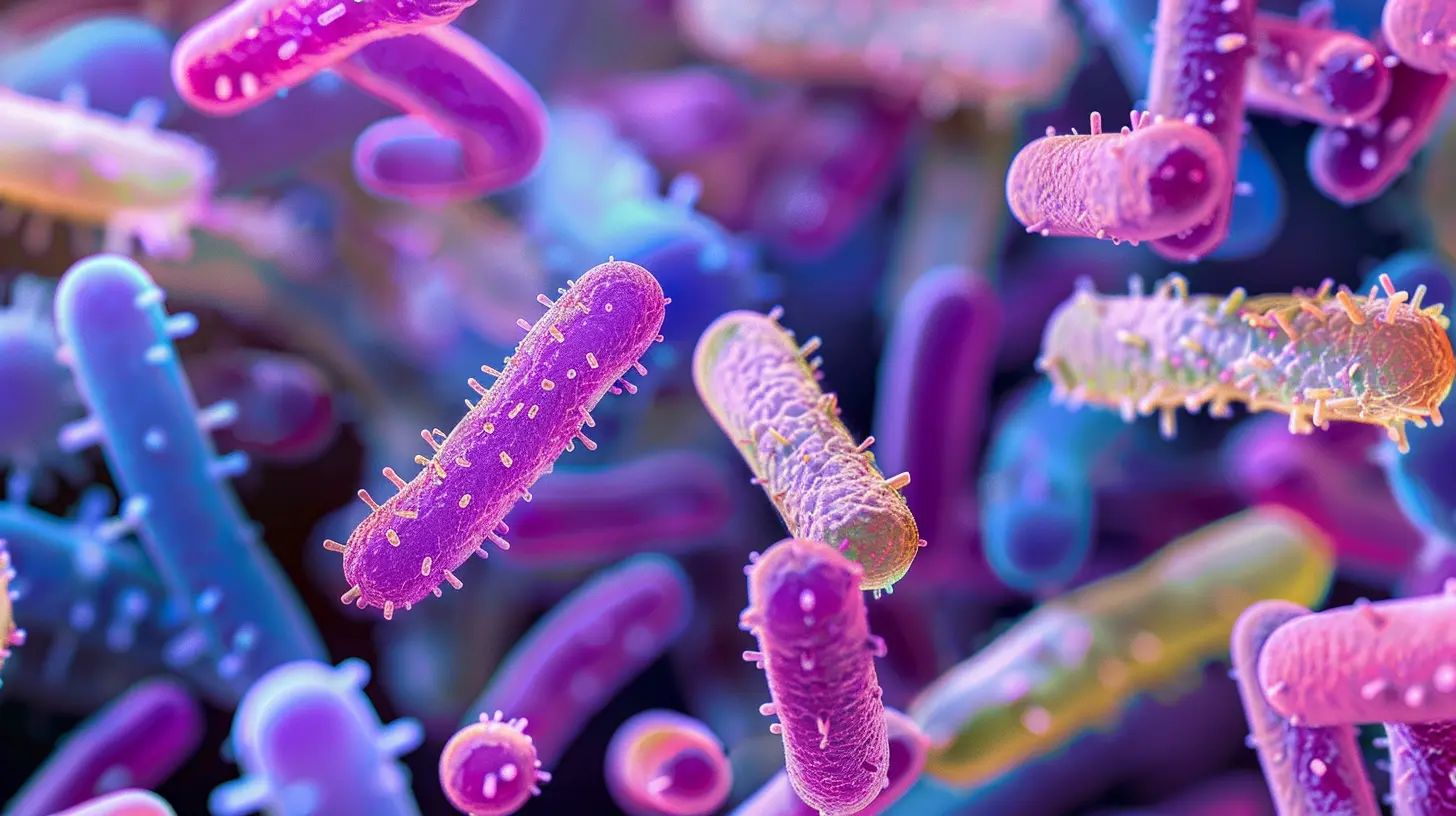
Before we talk about healing, let’s understand what happens when a stomach virus strikes.A stomach virus—often caused by norovirus or rotavirus—attacks the digestive system, inflaming the stomach and intestines. This can lead to:
- Diarrhea (which flushes out good bacteria along with the bad)
- Nausea and vomiting (leading to dehydration and nutrient loss)
- Weak digestion (which makes it harder for your gut to absorb essential nutrients)
Once the virus passes, your gut isn’t immediately back to full strength. It’s like a battlefield that needs rebuilding. The beneficial bacteria that once kept everything in balance have been depleted, leaving your gut vulnerable. This is where probiotics come to the rescue. 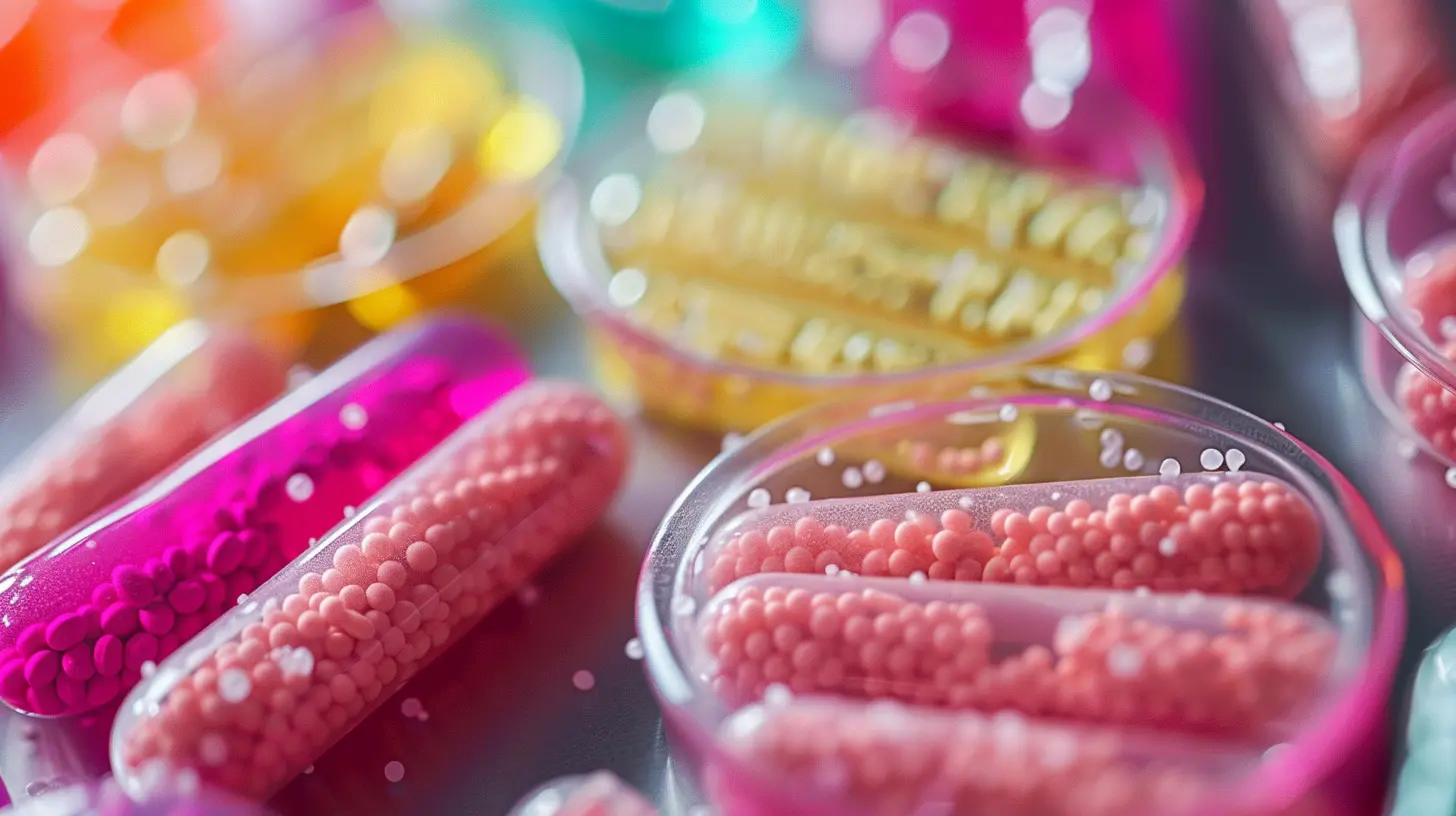
What Are Probiotics, and Why Do They Matter?
Probiotics are live microorganisms—mainly bacteria and yeasts—that provide health benefits when consumed in adequate amounts. Think of them as your gut’s friendly army, working tirelessly to restore balance and functionality after an infection.Your gut is home to trillions of bacteria, both good and bad. When the bad guys (harmful bacteria from infections) take over, probiotics step in to:
✔ Replenish beneficial bacteria
✔ Restore gut flora balance
✔ Strengthen gut immunity
✔ Improve digestion and nutrient absorption
After a stomach virus, your digestive system is like a garden ravaged by a storm—probiotics reseed the soil, helping good bacteria flourish once again. 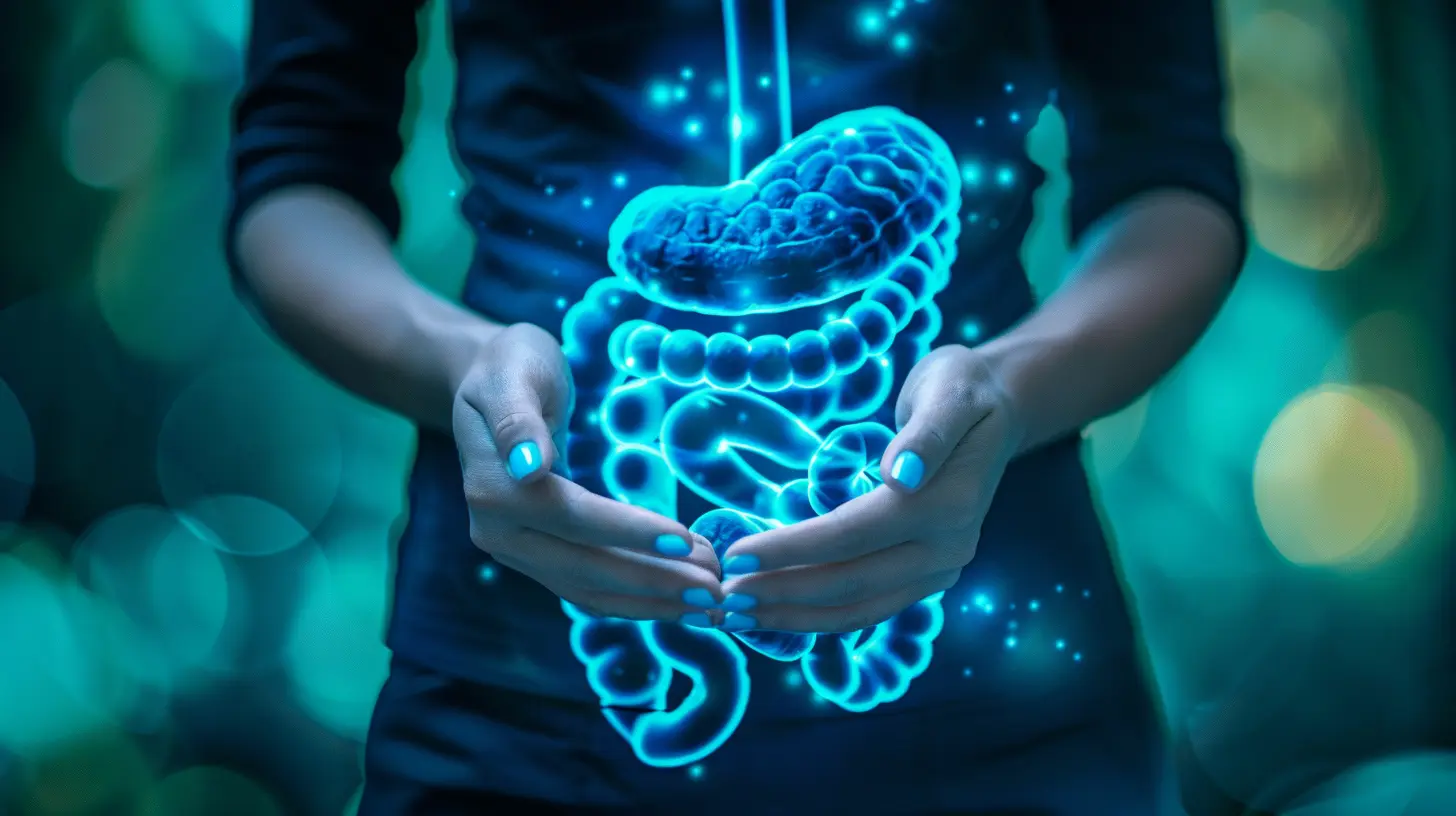
How Probiotics Help Your Gut Recover
1. Rebalancing Gut Flora
After a stomach virus, your gut microbiome is out of whack. Probiotics introduce beneficial bacteria that help outcompete harmful microbes. This balance is crucial for proper digestion, absorption, and immune function.2. Strengthening the Gut Barrier
Your intestinal lining acts as a security guard, ensuring only beneficial nutrients enter your bloodstream. A stomach virus weakens this barrier, making it easier for toxins and harmful bacteria to enter.Probiotics help reinforce this barrier, preventing harmful substances from wreaking further havoc.
3. Reducing Post-Infection Symptoms
Even after a virus clears, symptoms like bloating, diarrhea, and stomach pain can persist. Certain probiotic strains (like Lactobacillus rhamnosus and Saccharomyces boulardii) have been shown to help reduce diarrhea duration and severity, getting you back to normal faster.4. Boosting Immune Function
Did you know that about 70% of your immune system resides in your gut? A strong gut microbiome means a stronger immune system, which can help prevent future infections. Consuming probiotics after a stomach virus can enhance your body’s natural defense mechanisms, making you less susceptible to recurring illnesses.
Best Probiotic Strains for Gut Recovery
Not all probiotics are created equal! If you want to give your gut the best possible support post-virus, focus on these powerhouse strains:? Lactobacillus rhamnosus GG (LGG)
- One of the most researched probiotics for gut health- Helps reduce diarrhea duration
- Supports immune function
? Saccharomyces boulardii
- A probiotic yeast that fights harmful toxins- Reduces antibiotic-associated diarrhea
- Protects the gut lining
? Bifidobacterium bifidum
- Aids in digestion and nutrient absorption- Restores gut flora balance
- Helps reduce bloating and cramps
? Lactobacillus acidophilus
- Helps produce natural antibiotics in the gut- Reduces inflammation
- Supports long-term gut health
Best Ways to Incorporate Probiotics into Your Diet
Now that we know probiotics are essential, how do you get them into your system? Here are the best sources:1. Probiotic-Rich Foods
You don’t need fancy supplements—many everyday foods are packed with natural probiotics. Try:- Yogurt (look for "live and active cultures" on the label)
- Kefir (a fermented milk drink with powerful probiotic strains)
- Sauerkraut (fermented cabbage loaded with gut-friendly bacteria)
- Kimchi (spicy fermented vegetables great for digestion)
- Miso (a fermented soybean paste used in soups)
- Kombucha (a fermented tea packed with probiotics and antioxidants)
2. Probiotic Supplements
If fermented foods aren’t your thing, or you need extra gut support, probiotic supplements are a great option. Look for:✔ A product with multiple strains (to cover different aspects of gut health)
✔ A high CFU count (colony-forming units) – aim for at least 10 billion CFU
✔ A shelf-stable formula (unless you can refrigerate it)
3. Prebiotic Fibers (to Feed the Good Bacteria!)
Probiotics need fuel to thrive! Prebiotics are fibers that feed beneficial bacteria. Load up on:- Bananas
- Garlic
- Onions
- Asparagus
- Oats
- Apples
By combining probiotics with prebiotic-rich foods, you create the perfect environment for gut healing.
How Long Should You Take Probiotics After a Stomach Virus?
Healing takes time, and your gut won’t magically restore itself overnight. To fully rebuild your microbiome, aim to take probiotics for at least 2-4 weeks after a stomach virus.However, if you want long-term digestive health benefits, making probiotics a regular part of your diet can do wonders. Think of it as ongoing maintenance for a happy and healthy gut!
Other Ways to Support Gut Recovery
In addition to probiotics, here are some simple steps to speed up gut healing:✔ Stay Hydrated – Water, herbal teas, and coconut water help replenish lost fluids.
✔ Eat Light, Easy-to-Digest Foods – Stick to broth, rice, bananas, and toast in the first few days.
✔ Reduce Sugar and Processed Foods – Bad bacteria thrive on sugar, so give them fewer reasons to multiply.
✔ Get Enough Sleep – Your gut microbiome resets and repairs while you sleep.
✔ Manage Stress – Chronic stress negatively impacts gut health. Practice deep breathing, meditation, or yoga.
Final Thoughts
A stomach virus can leave you feeling drained and miserable, but with the right approach, your gut can recover faster and stronger. Probiotics play a crucial role in restoring balance, strengthening digestion, and boosting immunity.By incorporating probiotic-rich foods or supplements into your daily routine, you give your gut the best chance to thrive. Pair them with a gut-friendly diet, plenty of hydration, and stress management, and you’ll be well on your way to optimal digestive health.
Your gut is like a garden—it just needs the right care to flourish. So, are you ready to give your microbiome the love it deserves?
all images in this post were generated using AI tools
Category:
ProbioticsAuthor:

Eileen Wood
Discussion
rate this article
1 comments
Daria Clark
Your gut will thank you!
July 25, 2026 at 3:47 AM
Eileen Wood
Absolutely! Supporting gut health is essential for recovery.