How Gut Bacteria Influence Your Mood and Mental Health
25 March 2026
Have you ever had a "gut feeling" about something? Or noticed that stress can lead to an upset stomach? It turns out, your gut and brain are more connected than you might think. In fact, your gut bacteria play a crucial role in shaping your mood and mental health.
But how does this work? And could the secret to happiness actually lie in your digestive system? Let's dive into the fascinating world of the gut-brain connection.
The Gut-Brain Connection: More Than Just Digestion
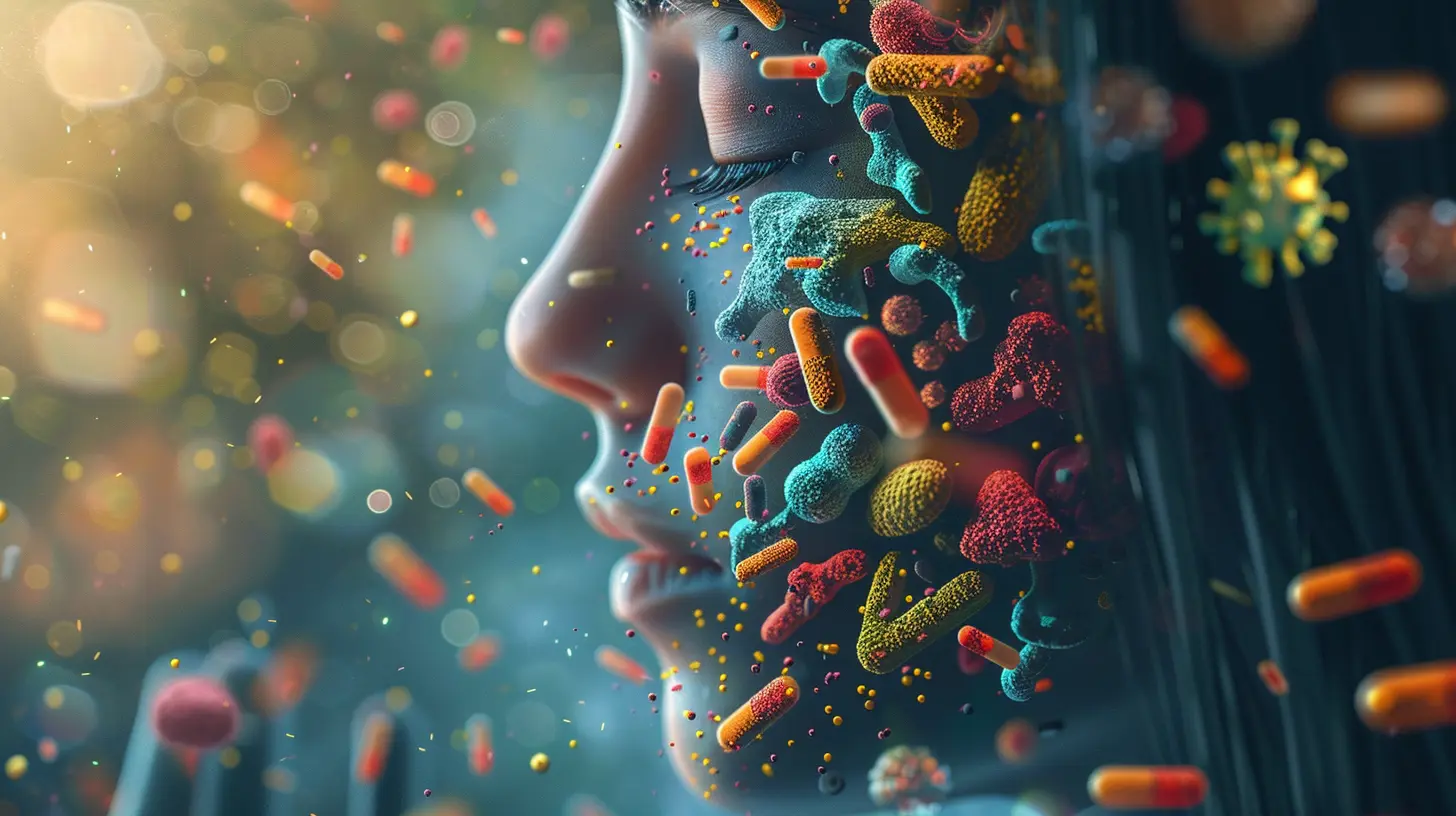
Your gut isn't just responsible for breaking down food—it’s often called the "second brain." This is because it contains millions of neurons that communicate with your brain through the vagus nerve and produce neurotransmitters like serotonin and dopamine. In fact, about 90% of serotonin (the "feel-good" hormone) is produced in your gut, not your brain!But here’s where things get even more interesting: The bacteria living in your gut—called the gut microbiome—influence this entire process.
What Is the Gut Microbiome?
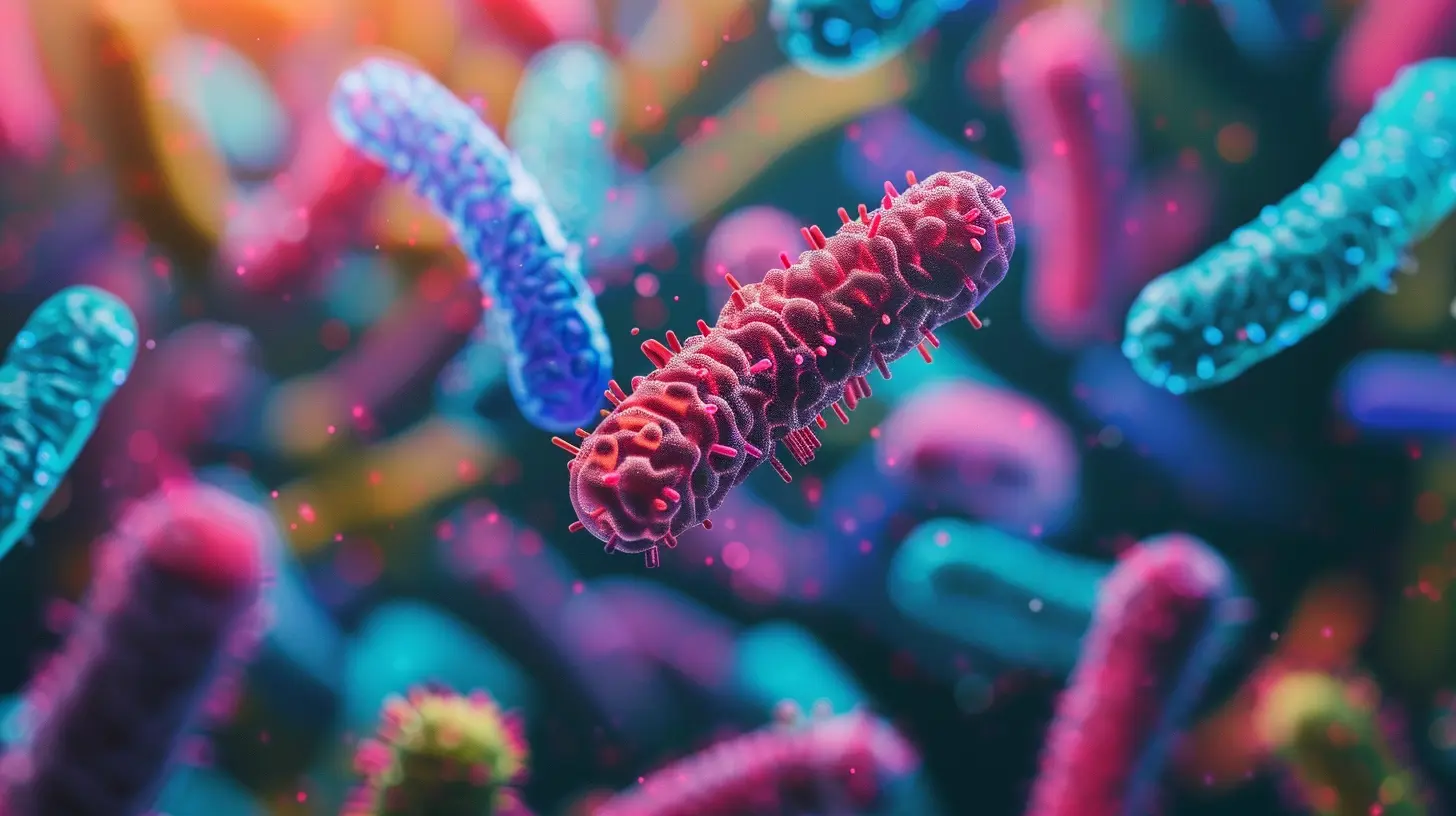
Your gut is home to trillions of bacteria, both good and bad. This collection of microorganisms is known as the gut microbiome. When these microbes are in balance, they help with digestion, support immunity, and even regulate your emotions.However, when the balance is thrown off—due to poor diet, stress, antibiotics, or illness—it can lead to issues like depression, anxiety, and brain fog.
How Gut Bacteria Influence Your Mood
So, how exactly do gut bacteria affect your mood and mental health? There are a few key ways:1. Production of Neurotransmitters
Gut bacteria help produce crucial brain chemicals like:- Serotonin – Regulates mood, sleep, and appetite.
- Dopamine – Affects motivation and pleasure.
- GABA – Helps with relaxation and reducing anxiety.
If your gut bacteria are out of balance, production of these neurotransmitters can be disrupted, leading to mood swings, depression, or anxiety.
2. Inflammation and Mental Health
An unhealthy gut can lead to inflammation, which has been linked to mental health disorders. Research suggests that inflammatory markers are higher in individuals with depression and anxiety.When bad bacteria take over, they can weaken the gut lining, allowing harmful substances to enter the bloodstream. This triggers inflammation, which can negatively impact brain function.
3. Stress and the Gut
Ever had an upset stomach before a big test or an important meeting? That’s because stress directly impacts your gut.When you're stressed, your body releases cortisol, which can disrupt gut bacteria and weaken digestion. Over time, this can create a vicious cycle: an unhealthy gut increases stress, and stress harms your gut.
4. The Gut’s Impact on Brain Fog and Focus
Struggling with concentration or feeling mentally sluggish? Your gut bacteria might be to blame.Certain microbes produce short-chain fatty acids (SCFAs), which help with brain function and memory. If your gut isn’t thriving, you might notice forgetfulness, difficulty focusing, and low energy levels.
Signs Your Gut Might Be Affecting Your Mental Health
Not sure if your gut is influencing your mood? Here are some signs to look out for:- Frequent bloating or digestive discomfort
- Mood swings, anxiety, or depression
- Chronic fatigue and brain fog
- Sugar cravings (bad bacteria thrive on sugar!)
- Poor sleep quality
If these sound familiar, it might be time to support your gut health.
How to Improve Gut Health for Better Mood and Mental Well-Being
The good news? You can take steps to heal your gut and improve your mental health. Here’s how:1. Eat More Probiotics and Prebiotics
Probiotics are live bacteria that help rebalance your gut, while prebiotics feed the good bacteria. Try adding:- Probiotics: Yogurt, kimchi, kefir, sauerkraut, miso
- Prebiotics: Garlic, onions, bananas, asparagus, oats
2. Reduce Processed Foods and Sugar
Processed foods and excess sugar feed harmful bacteria and increase inflammation. Try to limit:- Sugary drinks and snacks
- Artificial sweeteners
- Highly processed foods
Instead, opt for whole, nutrient-rich foods.
3. Manage Stress
Since stress can harm gut bacteria, incorporating stress-reducing activities is crucial. Consider:- Meditation or deep breathing exercises
- Regular exercise (even just a walk outside)
- Adequate sleep (7-9 hours per night)
4. Stay Hydrated
Water helps maintain digestion and supports a healthy gut lining. Aim for at least 8 glasses a day and avoid excessive alcohol, which can disrupt gut flora.5. Consider a High-Quality Probiotic Supplement
If you’re dealing with gut issues, taking a well-researched probiotic supplement may help restore balance. Look for one with multiple strains of beneficial bacteria.6. Get Enough Fiber
Fiber helps feed good bacteria and promotes digestion. Some fiber-rich foods include:- Vegetables (broccoli, carrots, leafy greens)
- Beans and lentils
- Nuts and seeds
Final Thoughts
Your gut bacteria are much more than just tiny organisms helping digestion—they play a crucial role in your mood, brain function, and overall mental well-being.If you’ve been struggling with anxiety, depression, or brain fog, your gut health might be a missing piece of the puzzle. By making small changes to your diet and lifestyle, you can support a balanced microbiome and boost both your gut and mental health.
So, want to feel happier, sharper, and more energized? Start with your gut—it just might surprise you!
all images in this post were generated using AI tools
Category:
ProbioticsAuthor:

Eileen Wood
Discussion
rate this article
2 comments
Nadine Miller
Gut bacteria significantly impact mood and mental health.
April 14, 2026 at 3:39 AM
Eileen Wood
Absolutely! Emerging research highlights the crucial role gut bacteria play in influencing mood and mental health, demonstrating the powerful connection between our gut and brain.
Zealot Wyatt
This article is a delightful reminder of the gut-brain connection! It's fascinating how our tiny bacteria buddies can impact our mood and overall mental health. I love the idea of nourishing my gut to boost my happiness—who knew that a happy tummy could lead to a happier mind? Cheers to gut health!
March 27, 2026 at 4:16 PM
Eileen Wood
Thank you for your thoughtful comment! I'm glad you enjoyed the article and found the gut-brain connection inspiring. Cheers to our gut health indeed!