Fitness for Brain Health: The New Research You Should Know
4 November 2026
The connection between physical fitness and brain health has garnered increasing attention in recent years. While most people are aware that regular exercise is essential for physical well-being, the implications for cognitive function are profound and, in many cases, life-changing. This article delves into emerging research that sheds light on how fitness can enhance brain health, providing actionable insights to optimize mental performance.
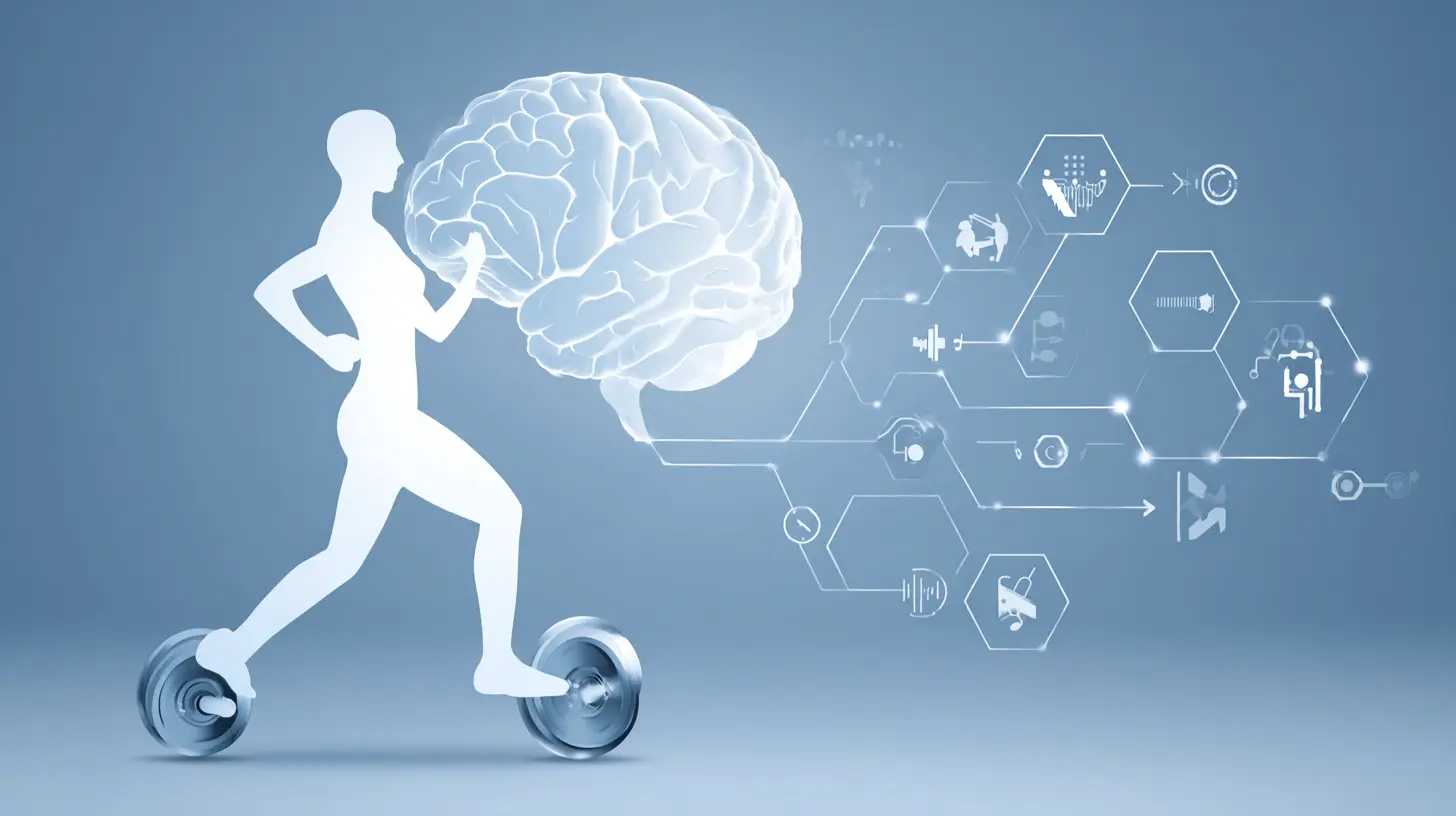
The Science Behind Fitness and Brain Health
Understanding Neuroplasticity
At the heart of the relationship between fitness and brain health is the concept of neuroplasticity. This refers to the brain's ability to reorganize itself by forming new neural connections throughout life. Exercise has been shown to boost neuroplasticity, allowing the brain to adapt to new experiences, learn new skills, and recover from injury.Recent studies suggest that physical activity stimulates the production of brain-derived neurotrophic factor (BDNF), a protein that supports the survival of existing neurons and encourages the growth of new neurons and synapses. Higher levels of BDNF are associated with improved learning, memory, and overall cognitive function.
The Role of Aerobic Exercise
Aerobic exercise, such as running, swimming, or cycling, has been particularly highlighted in research focused on brain health. Numerous studies indicate that engaging in aerobic activities can increase blood flow to the brain, leading to improved oxygen and nutrient delivery. This enhanced blood flow is crucial for maintaining cognitive vitality.Research has shown that regular aerobic exercise correlates with increased hippocampal volume, which is vital for memory formation and spatial navigation. For instance, a study published in the journal "Proceedings of the National Academy of Sciences" found that older adults who participated in walking programs experienced significant increases in hippocampal volume over one year compared to those who did not exercise.
Resistance Training and Cognitive Function
While aerobic exercise receives considerable attention, resistance training also plays a critical role in brain health. Studies indicate that strength training can improve cognitive function, particularly in older adults. The mechanisms behind this may include enhanced muscle mass, improved insulin sensitivity, and the release of myokines-substances released by muscles that can influence brain function.A 2016 study found that older adults who engaged in resistance training showed improvements in executive function, which includes abilities such as problem-solving, planning, and multitasking. This highlights the importance of incorporating strength training into a well-rounded fitness regimen.
The Impact of Different Types of Exercise
High-Intensity Interval Training (HIIT)
High-Intensity Interval Training (HIIT) is another form of exercise that has shown promise for brain health. This training involves short bursts of intense activity followed by rest or low-intensity periods. Research indicates that HIIT can improve cardiovascular fitness, which is closely linked to brain health.A study published in "Neurobiology of Learning and Memory" found that individuals who engaged in HIIT experienced improvements in cognitive flexibility and working memory compared to those who did moderate-intensity exercise. The short bursts of effort may stimulate the release of neurotrophic factors, promoting brain health.
Mind-Body Exercises
Mind-body exercises, such as yoga and tai chi, also contribute positively to brain health. These practices incorporate physical movement, breath control, and mindfulness, which can reduce stress and improve mood. Chronic stress can negatively impact cognitive function, so engaging in mind-body exercises can be particularly beneficial.Research has shown that yoga can enhance cognitive function and promote emotional well-being. A systematic review in the journal "Psychological Bulletin" noted that participants in yoga programs exhibited significant improvements in cognitive performance, particularly in tasks requiring attention and memory.
The Importance of Consistency
Building a Routine
Establishing a consistent exercise routine is crucial for reaping the cognitive benefits associated with physical fitness. The brain responds better to regularity than sporadic bursts of activity. Ideally, adults should aim for at least 150 minutes of moderate-intensity aerobic exercise per week, combined with two days of resistance training.Creating a balanced routine that includes various types of exercise can help maintain motivation and interest. For example, incorporating aerobic workouts, strength training, and mind-body exercises can provide comprehensive benefits for both the body and the brain.
Overcoming Barriers to Exercise
Many individuals face barriers to maintaining a consistent exercise routine, such as time constraints, lack of motivation, or limited access to facilities. Addressing these barriers is essential for fostering a long-term commitment to fitness. Strategies include:- Setting realistic goals: Start small and gradually increase the intensity and duration of workouts.
- Finding enjoyable activities: Engaging in activities that are enjoyable makes it easier to stick with a routine.
- Building a support system: Exercising with friends or joining community classes can provide motivation and accountability.
Nutrition and Brain Health
The Role of Diet in Supporting Exercise
While exercise is vital for brain health, nutrition plays a complementary role. A healthy diet can enhance the benefits of physical activity on cognitive function. Key nutrients that support brain health include omega-3 fatty acids, antioxidants, and vitamins such as B and E.Omega-3 fatty acids, found in fatty fish, flaxseeds, and walnuts, are known to support brain structure and function. Research has linked higher omega-3 levels to improved cognitive performance and a reduced risk of neurodegenerative diseases.
Hydration Matters
Hydration is another critical factor. Dehydration can impair cognitive function, affecting attention and memory. Individuals should aim to drink adequate water, particularly before, during, and after exercise. A good rule of thumb is to drink enough to maintain clear urine and ensure that thirst is managed.Common Misconceptions
Exercise as a Cure-All
While exercise offers numerous benefits for brain health, it is essential to recognize that it is not a cure-all. Individuals with pre-existing cognitive conditions, such as Alzheimer's or other forms of dementia, may require comprehensive medical intervention and should consult healthcare professionals for tailored advice.Age and Exercise
Some people believe that exercise is only beneficial for young individuals. In reality, all age groups can benefit from physical activity. Older adults, in particular, can experience significant cognitive improvements from engaging in regular exercise, as highlighted in various studies.
Practical Tips for Incorporating Fitness into Daily Life
Start with Small Changes
Incorporating fitness into your routine doesn't have to be overwhelming. Small changes can lead to significant improvements over time. Consider the following tips:- Take the stairs instead of the elevator.
- Schedule regular walking meetings.
- Set reminders to stand up and stretch every hour.
Utilize Technology
Wearable fitness trackers and mobile applications can help individuals monitor their activity levels and set achievable goals. Many apps also offer guided workouts, which can be particularly helpful for those starting out.Find a Community
Joining a local fitness group or online community can enhance motivation and provide support. Engaging in group activities can also foster social connections, which are vital for emotional well-being.Conclusion
The relationship between fitness and brain health is complex yet undeniably significant. The latest research emphasizes that physical activity not only supports physical well-being but also enhances cognitive function, fosters neuroplasticity, and may reduce the risk of cognitive decline. By understanding the various types of exercise and their specific benefits, individuals can make informed decisions about their fitness routines.While the journey to improving brain health through fitness may require effort and commitment, the rewards-enhanced cognitive performance, improved mood, and better overall health-are worth it. By establishing a consistent routine, addressing barriers, and complementing exercise with proper nutrition, anyone can work toward a healthier brain.
all images in this post were generated using AI tools
Category:
Physical FitnessAuthor:

Eileen Wood