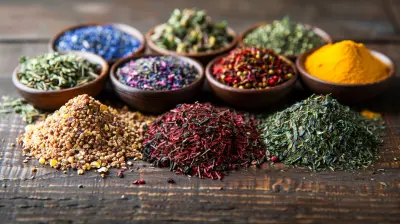
Fermented Foods vs. Probiotic Supplements: Which Is Better?
28 February 2026
When you hear "gut health," what pops into your mind? Yogurt commercials with smiling actors? Shelves of probiotic bottles in your local pharmacy? Or maybe your mind jumps to jars of kimchi and bubbly kombucha?
Either way, you’re on the right track.
Fermented foods and probiotic supplements are both buzzing in the health world—and let’s be real, with good reason. They’re each packed with live bacteria that can seriously benefit our digestive systems. But here’s the million-dollar question: Which one is better?
Let’s break it down, piece by piece, and figure out which route might be best for you.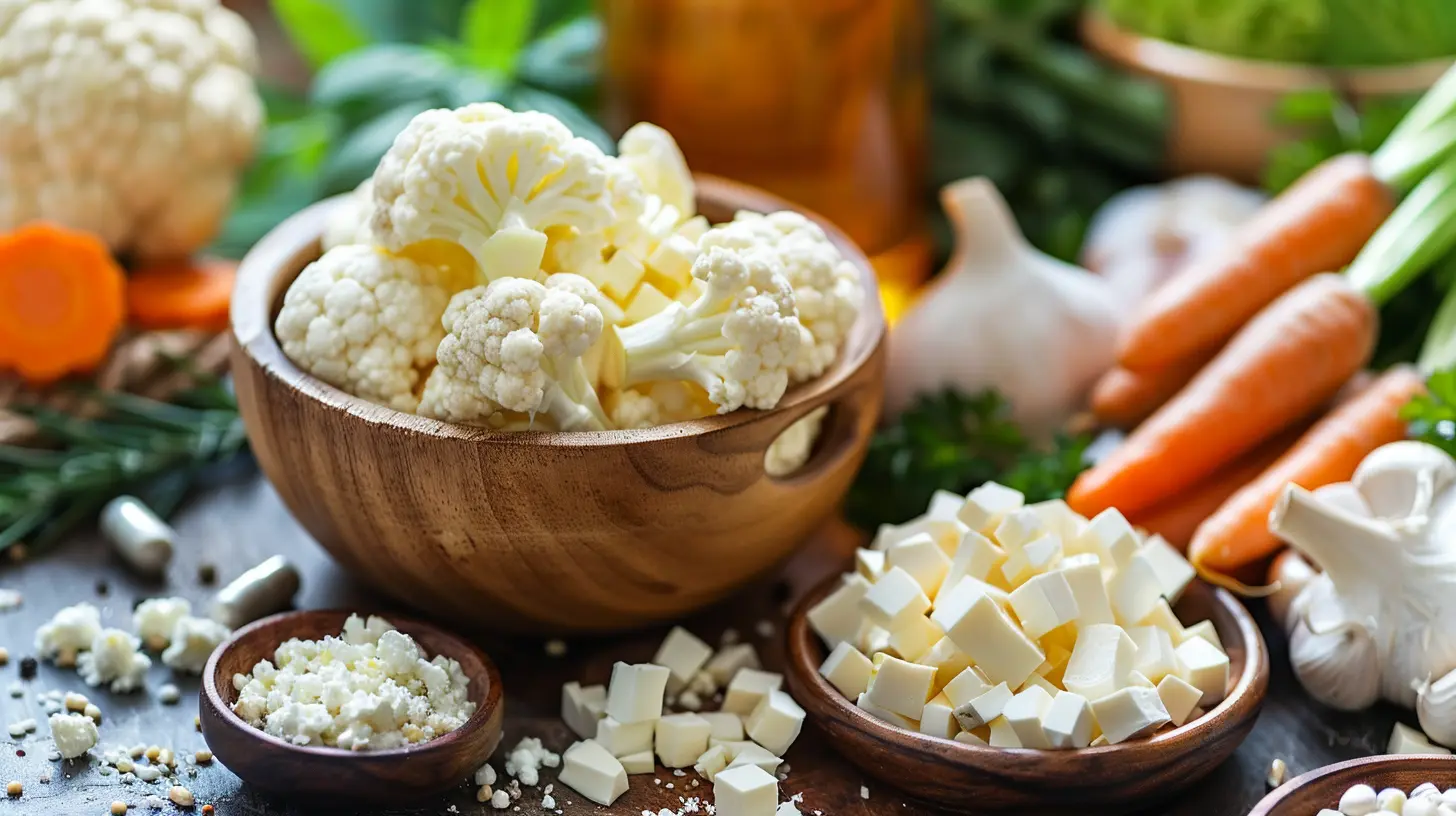
What Are Fermented Foods?
Let’s start with the basics. Fermented foods are everyday foods that have gone through—you guessed it—a fermentation process. That means natural bacteria, yeasts, or molds have broken down sugars and starches in the food, turning them into acids, alcohol, or gases. Sounds scientific, right? But it’s actually super natural.Popular Fermented Foods:
- Yogurt- Kefir
- Kimchi
- Sauerkraut
- Miso
- Tempeh
- Kombucha
- Pickles (the naturally fermented kind, not vinegar-based ones)
Aside from their deliciously tangy flavors, these foods are loaded with naturally occurring probiotics—those friendly bacteria that love hanging out in your gut and keeping things balanced.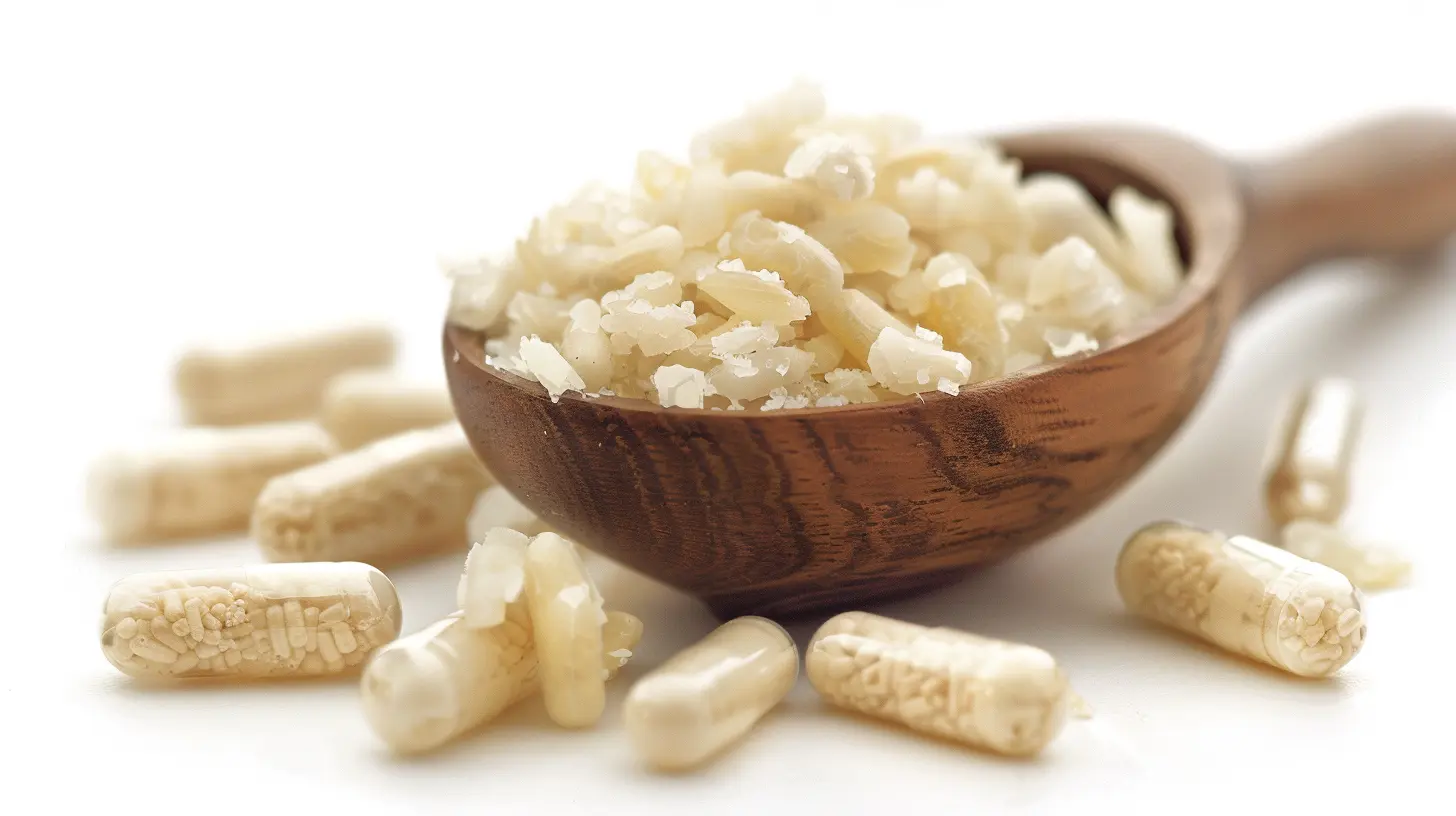
What Are Probiotic Supplements?
Now, let’s talk about those sleek little capsules or powders lined up in your health store. Probiotic supplements are concentrated sources of live bacteria. Unlike fermented foods, they’re not part of your meals—they're more like a wellness add-on.These supplements contain various strains of bacteria (like Lactobacillus and Bifidobacterium), and the number of live organisms can vary big time—from a few million to tens of billions per dose.
They’re especially handy if you need a quick gut-health boost or if your doctor recommends specific strains.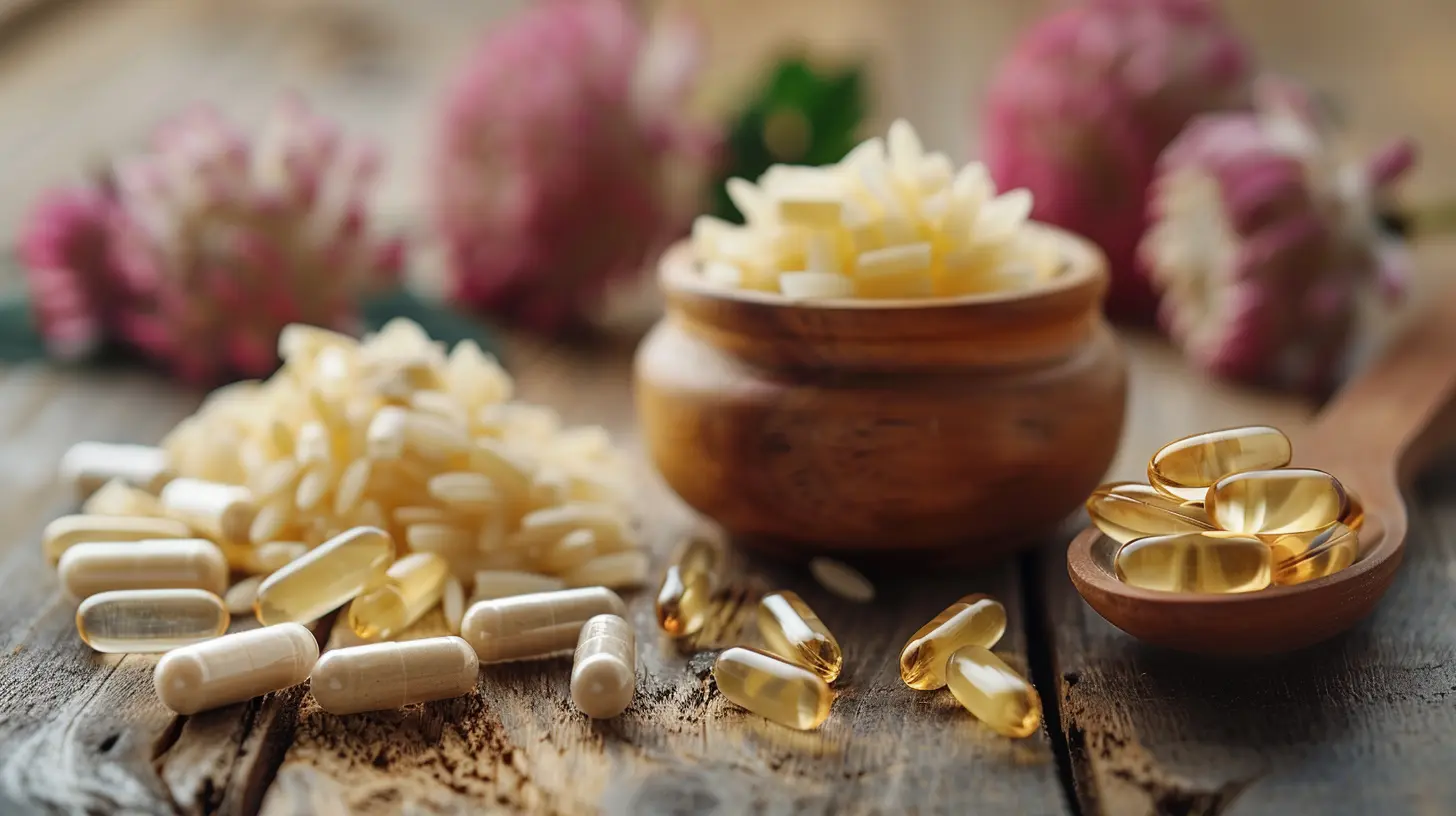
The Gut Microbiome: Why All of This Matters
Here’s why you should even care about probiotics in the first place. Your gut is home to trillions of bacteria—some good, some not-so-good. Together, they form what’s called your gut microbiome.This community helps digest food, produce vitamins, regulate your immune system, and even influence your mood. (Yup, your gut literally talks to your brain!)
So, keeping your gut flora balanced isn’t just a trend—it’s a must-do for overall health.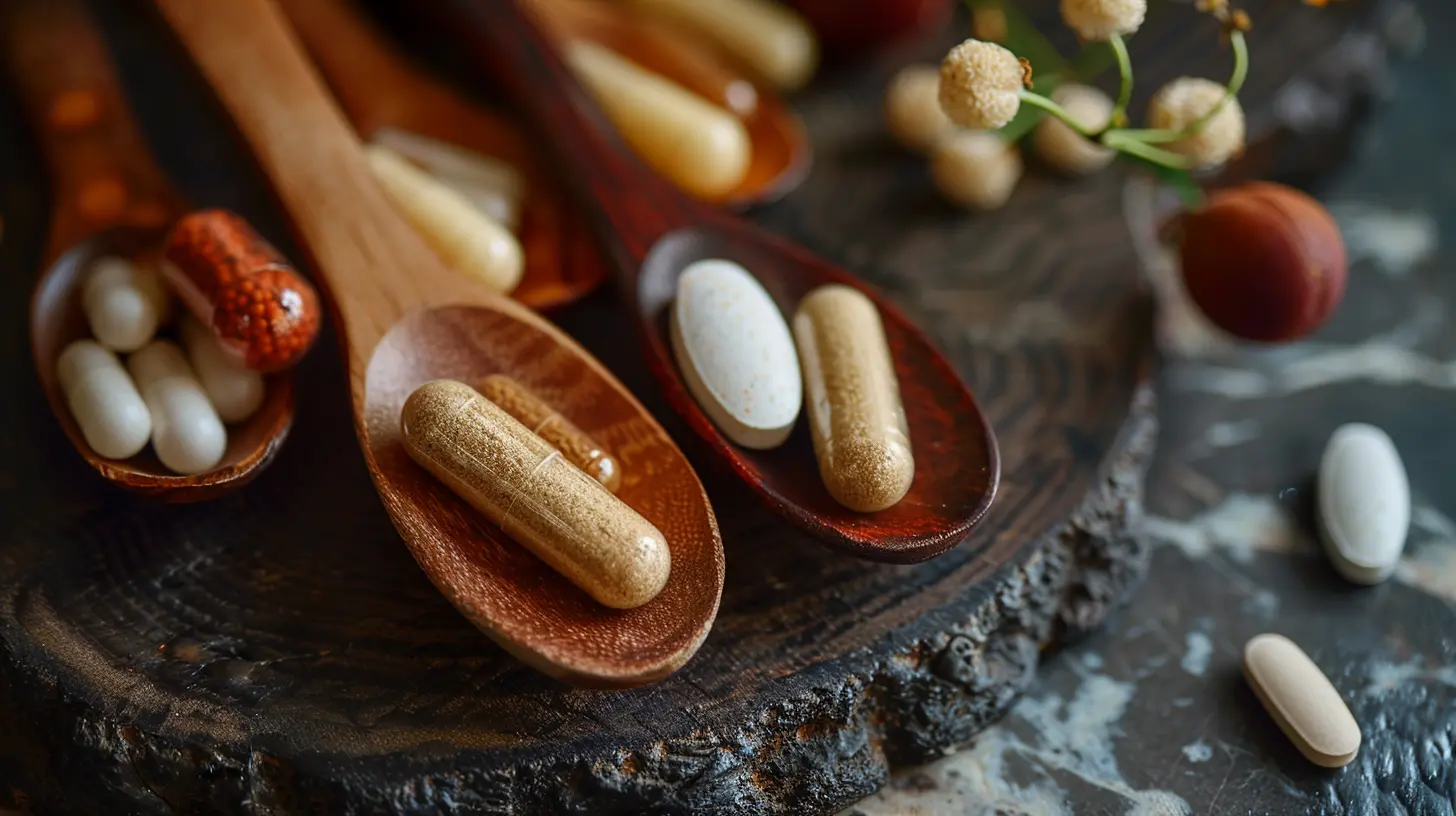
Fermented Foods: The Benefits
1. Natural and Whole
Fermented foods are straight from nature. There’s no capsule, no processing—just real food, made the traditional way. Think of it as probiotics in their natural habitat.2. Nutrient Synergy
You’re not just getting probiotics when you eat fermented foods. You’re also getting vitamins, minerals, fiber, and enzymes that support digestion and overall health.For example, fermented dairy (like kefir or yogurt) contains calcium, protein, and vitamin B12, all while giving your gut a dose of beneficial bacteria.
3. Culinary Variety
Let’s be honest—fermented foods taste great. That tangy kick? It’s addictive. Plus, they add flavor and depth to meals. A spoonful of kimchi over rice? Chef’s kiss.4. Affordable and Accessible
Most fermented foods can be easily made at home or bought in your local grocery store for a few bucks. Budget-friendly and gut-friendly? Yep, that’s a win-win.Fermented Foods: The Cons
1. Unpredictable Probiotic Strains
Because fermented foods are natural, the exact strains and quantity of probiotics can vary. One jar of sauerkraut might have loads of bacteria; another might have less, especially if it’s been pasteurized.2. Not for Everyone
Some folks can’t handle fermented foods well—especially those with histamine intolerance or certain digestive conditions. And let’s be real, not everyone loves the acquired taste of things like natto or kombucha.Probiotic Supplements: The Benefits
1. Targeted Strains
One of the biggest perks of supplements is precision. Need a strain that helps with IBS? There's a supplement for that. Want something for immune support? There’s a strain for that too.Supplements allow for tailored solutions, especially useful for chronic issues.
2. Convenience
No fermenting, no grocery store hunting. Just pop a pill or mix a powder into your smoothie. Great for busy folks or frequent travelers.3. High Potency
Supplements typically list the exact CFU (colony-forming units)—which tells you how many live bacteria you're actually getting. Some even come with prebiotics (food for the bacteria), which can help the probiotics thrive once inside you.Probiotic Supplements: The Cons
1. They're Not All Created Equal
Not all probiotic brands are trustworthy. Some overstate their CFU counts, contain dead strains, or don’t survive stomach acid. It takes some research (and maybe a chat with your doctor) to find a high-quality one.2. They Might Not Stick Around
Unlike fermented foods that slowly build up good bacteria alongside other nutrients, supplements might pass through your system too fast to really “move in.” Some research shows that unless you're taking them continuously, the benefits might be short-lived.3. Pricey
Let’s face it—quality supplements can get expensive. And since they often need to be taken daily (and aren’t covered by insurance), that cost adds up over time.Head-to-Head Comparison
| Feature | Fermented Foods | Probiotic Supplements ||-------------------------|---------------------------|-------------------------------|
| Source | Natural & food-based | Lab-created capsules/powders |
| Variety of Strains | Broad but inconsistent | Targeted and specified |
| Taste & Enjoyment | Flavorful and diverse | Tasteless, odorless |
| Convenience | Requires prep or purchase | Quick and easy dose |
| Extra Nutrients | Yes (fiber, vitamins) | No (unless added) |
| Cost | Affordable | Can be expensive |
So, Which Is Better?
Alright, time for the final verdict: Fermented foods or probiotic supplements?The answer? It depends on you—your body, your lifestyle, and your health goals.
If you're generally healthy and simply want to support your gut, fermented foods are a delicious, natural, and budget-friendly choice. They're like the farmers’ market of the gut world—fresh, whole, and brimming with goodness.
But if you have specific health conditions like IBS, antibiotic recovery, or immune issues, probiotic supplements can give you targeted support. Think of them as the custom-built sports car—fast, focused, and a bit more high-maintenance.
Honestly, the best approach may be a mix of both. Use fermented foods as your everyday gut allies, and lean on quality supplements when your body needs a boost.
Tips for Getting the Most Out of Both
1. Rotate Your Fermented Foods
Don’t just stick to pickles. Try a variety—yogurt, kefir, miso, kombucha, etc. Each one introduces different strains of bacteria (plus it keeps your meals interesting!).2. Store Probiotic Supplements Properly
Some need to be refrigerated, others don’t. Always check the label to make sure you're not killing those poor little bacteria before they even get to your gut.3. Check For Sugar and Additives
Some commercial fermented foods (like flavored yogurts or kombucha) are loaded with added sugars. Same goes for some “cheaper” probiotic pills that are full of fillers.4. Pay Attention to Your Body
Everyone's gut is unique. Some people thrive on fermented foods, while others get bloated or uncomfortable. Start slow, see how you feel, and adjust.Final Thoughts
Gut health is more than just a diet trend—it’s core to how we feel, think, and function every single day. Fermented foods offer a delicious, natural way to feed our microbiomes, while probiotic supplements provide a concentrated, targeted punch when we need it.It’s not about choosing one over the other. It's about knowing when—and how—to use both.
So the next time you’re sipping kombucha or popping a probiotic capsule, know that you’re doing something really good for your body. Cheers to that!
all images in this post were generated using AI tools
Category:
ProbioticsAuthor:

Eileen Wood
Discussion
rate this article
2 comments
Emery McIlwain
Both fermented foods and probiotic supplements offer unique benefits. Fermented foods provide natural probiotics and nutrients, while supplements can deliver specific strains in targeted doses. Choosing depends on personal preferences and health needs.
March 22, 2026 at 3:57 AM
Eileen Wood
Great point! It really does come down to what works best for each individual. Both options have their merits.
Summer Estes
Thank you for sharing this insightful article! It's great to see the discussion around fermented foods versus probiotic supplements. Both have unique benefits, and understanding their differences can empower us in our health journeys. I appreciate the tips provided and look forward to incorporating more of these foods into my diet!
March 1, 2026 at 5:28 PM
Eileen Wood
Thank you for your thoughtful comment! I'm glad you found the article insightful and useful for your health journey. Enjoy exploring fermented foods!