Cultivating Emotional Intelligence for a Happier Life
13 July 2026
Emotions drive our daily lives. They shape our relationships, influence our decisions, and impact our overall well-being. But what if I told you that mastering your emotions could lead to a happier, more fulfilling life? That’s where emotional intelligence (EI) comes in.
Emotional intelligence isn’t just a fancy buzzword—it’s a game-changer. It helps you navigate challenges, build stronger relationships, and stay cool when the world around you feels chaotic. So, how do you cultivate emotional intelligence? Let’s break it down.
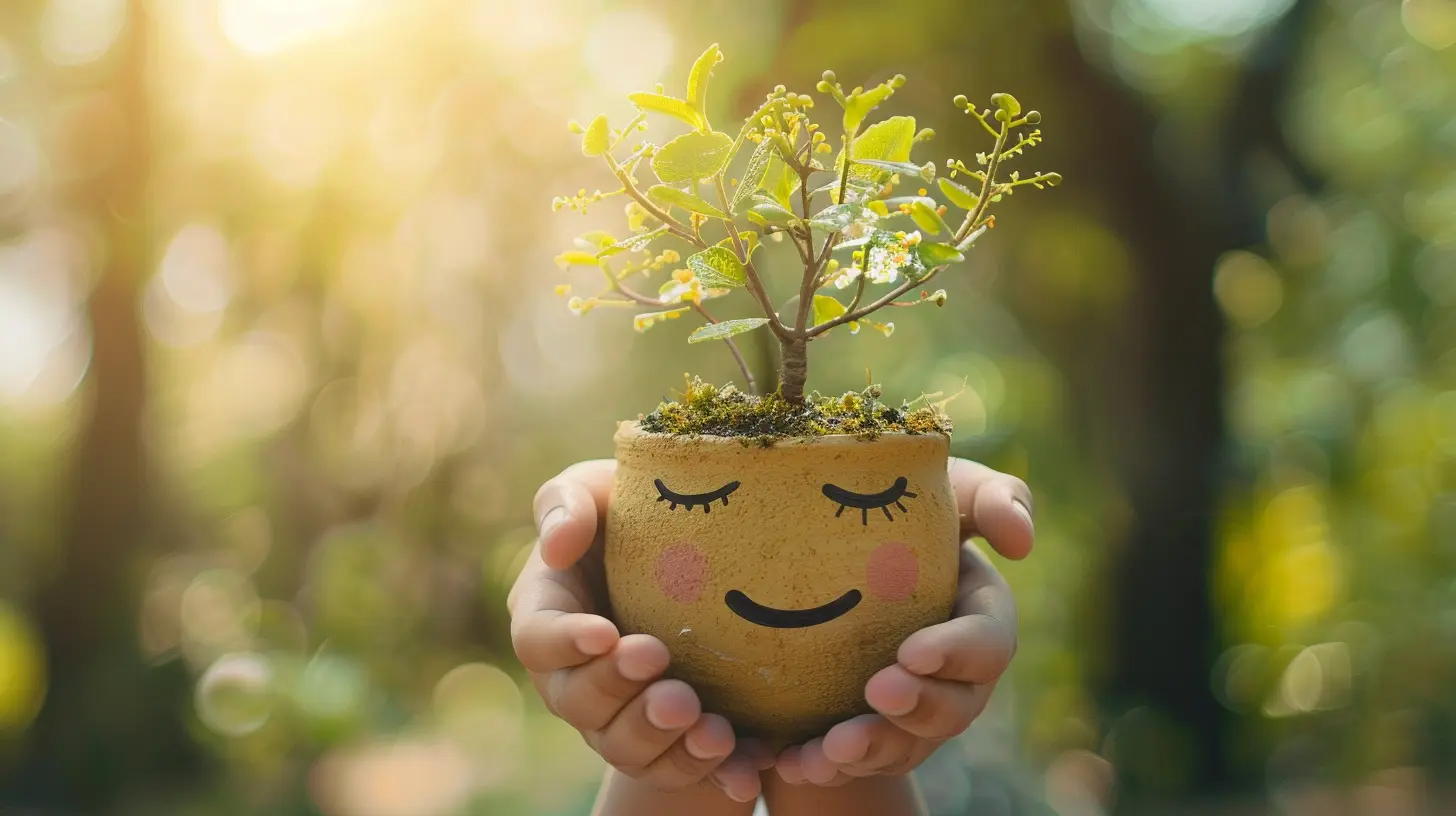
What Is Emotional Intelligence?
Before we dive into how to develop it, let's first understand what emotional intelligence actually is. In simple terms, it’s your ability to recognize, understand, manage, and influence your own emotions as well as those of others.Psychologist Daniel Goleman, who popularized the concept, categorized emotional intelligence into five key components:
1. Self-Awareness – Knowing your emotions and how they affect your thoughts and behavior.
2. Self-Regulation – Controlling impulsive reactions and adapting to changing circumstances.
3. Motivation – Using emotions to pursue goals with enthusiasm and persistence.
4. Empathy – Understanding and sharing the feelings of others.
5. Social Skills – Managing relationships and building strong connections.
Master these, and you’ll find yourself handling life’s ups and downs with ease.

Why Emotional Intelligence Matters
Think about this: Have you ever had an argument where you reacted impulsively and later regretted it? Or struggled to connect with someone because you just couldn’t understand their perspective? Emotional intelligence helps with both.Here’s why it matters:
- Improves Relationships – When you understand emotions—both yours and others’—you communicate better, resolve conflicts peacefully, and foster deeper connections.
- Boosts Mental Health – High EI reduces stress, anxiety, and depression by enabling healthier emotional processing.
- Enhances Decision-Making – When emotions are balanced, your judgments are clearer, leading to smarter life choices.
- Increases Workplace Success – Studies show that people with strong emotional intelligence tend to perform better at work, lead effectively, and collaborate well with others.
So, whether it's in personal life or your career, emotional intelligence is a superpower you want to develop!

How to Cultivate Emotional Intelligence
Building emotional intelligence isn’t about suppressing emotions—it’s about understanding and managing them. Here are some practical ways to boost your EI:1. Develop Self-Awareness
Self-awareness is the foundation of emotional intelligence. You can’t manage emotions if you don’t recognize them first.How to improve:
- Keep a journal of your emotions throughout the day. What triggered them? How did you respond?
- Take a pause during emotional moments and ask, “What am I feeling right now?”
- Seek feedback from others about how they perceive your emotional responses.
The more you notice your emotions, the better you can control them.
2. Practice Self-Regulation
We’ve all been there—something happens, and we instantly react without thinking. Self-regulation helps us pause, reflect, and choose a better response.How to improve:
- Take deep breaths or count to ten when emotions run high.
- Practice mindfulness or meditation to stay present and reduce impulsiveness.
- Reframe negative thoughts with a positive perspective—turn “I can’t do this” into “This is a challenge, but I can learn from it.”
Controlling emotions doesn’t mean bottling them up; it means responding wisely rather than reacting impulsively.
3. Strengthen Your Empathy
Empathy is the ability to understand and share the feelings of others. It’s the glue that holds relationships together.How to improve:
- Listen more than you speak. Truly hear what others are saying without mentally preparing your response.
- Put yourself in others’ shoes. Ask, “How would I feel if that happened to me?”
- Pay attention to body language—it often reveals more than words do.
Empathy nurtures connection, making relationships richer and more rewarding.
4. Improve Social Skills
Great social skills don’t mean being an extrovert; they mean navigating social interactions smoothly.How to improve:
- Practice active listening—nod, maintain eye contact, and reflect back what you hear.
- Learn conflict resolution techniques to handle disagreements without damaging relationships.
- Show appreciation and express gratitude in conversations.
Good social skills enhance both personal and professional relationships, leading to a more fulfilling life.
5. Stay Motivated and Cultivate Positivity
Motivation in emotional intelligence is more about inner drive rather than external rewards. It’s about staying optimistic even when life throws curveballs.How to improve:
- Set personal growth goals and celebrate small wins.
- Surround yourself with positive, emotionally intelligent people.
- Develop a gratitude practice—write down three things you’re grateful for each day.
A positive mindset fuels resilience, helping you bounce back from adversity stronger than before.

Overcoming Emotional Intelligence Challenges
Let’s be honest—developing emotional intelligence isn’t always easy. There are roadblocks along the way, but they can be tackled.1. Struggling with Emotional Awareness? Practice mindfulness and journaling to tune into your emotions.
2. Find It Hard to Control Reactions? Pause before responding, and ask yourself if your reaction aligns with your values.
3. Empathy Feels Forced? Start small—ask someone about their day and truly listen to their response.
4. Social Skills Need Work? Engage in more conversations and observe how emotionally intelligent people interact.
It’s a lifelong journey, but every step forward makes life richer and more meaningful.
Final Thoughts
Emotional intelligence isn’t some mystical trait reserved for a select few—it’s a skill that anyone can develop. By becoming more self-aware, regulating your emotions, practicing empathy, improving your social skills, and staying motivated, you can cultivate emotional intelligence that leads to a happier, more satisfying life.So, the next time emotions take over, pause, reflect, and choose your response wisely. Your future self will thank you for it!
all images in this post were generated using AI tools
Category:
Emotional WellnessAuthor:

Eileen Wood
Discussion
rate this article
1 comments
Marigold Roth
This article beautifully highlights the importance of emotional intelligence in our daily lives. By understanding our emotions and those of others, we can foster deeper connections and find greater happiness. It's an essential skill that can truly transform our experiences.
July 15, 2026 at 2:33 AM
Eileen Wood
Thank you for your kind words! I'm glad the article resonated with you. Emotional intelligence really can make a significant difference in our lives.