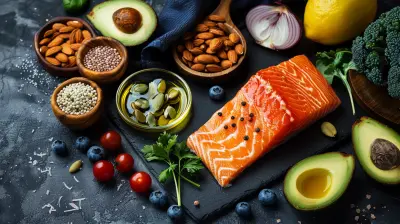
Busting the Top Health Myths Still Believed in 2026
18 April 2026
Hey there! Isn’t it wild how some health myths stick around like an unwelcome party guest, despite all the evidence telling them to leave? As we settle into 2026, it's time to pull back the curtain on some of these persistent health misconceptions that just won't die. Buckle up because we’re diving deep into the ocean of health myths and surfacing with the truth!
1. Carbs Are the Enemy
The Lowdown on Carbs
You’ve probably heard it a million times: “Carbs make you gain weight!” But hold on a minute—what if I told you that not all carbs are created equal? It’s true! Carbohydrates are a primary energy source for our bodies. Think of them as fuel for a car. Without fuel, that car isn't going anywhere, right?Quality Over Quantity
Sure, eating a mountain of refined carbs like white bread and sugary snacks can pack on the pounds, but whole grains, fruits, and vegetables bring essential nutrients to the table. So, next time someone tells you to ditch carbs completely, feel free to roll your eyes. Moderation is key!
2. Detox Diets Are Essential for Health
The Detox Myth
Ah, the ever-popular detox diets. They promise to cleanse your body and flush out toxins, right? But here’s the kicker: your body is already equipped with a fantastic detox system—the liver and kidneys! These organs work tirelessly to keep you healthy. It’s like having a built-in vacuum cleaner; why would you need an overpriced gadget?The Truth Behind Detoxing
Instead of spending money on questionable detox juices, focus on a balanced diet and stay hydrated. Your body knows how to take care of itself, and it doesn’t need a juice cleanse to do its job!
3. You Need to Drink Eight Glasses of Water a Day
The Hydration Hoax
We've all heard the golden rule: you must drink eight 8-ounce glasses of water daily. But guess what? This isn’t a one-size-fits-all situation. Hydration needs can vary depending on your activity level, climate, and health conditions.Listen to Your Body
Instead of obsessively counting your water intake, pay attention to your body. Thirst is a natural indicator that you need more fluids. Plus, many foods—like fruits and veggies—contain water too. So, don’t stress; just sip when you’re thirsty!
4. Supplements Can Replace a Healthy Diet
The Supplement Trap
With the supplement industry booming, it’s easy to fall into the trap of thinking that popping a pill can replace a balanced diet. But here’s the truth: whole foods provide a complex matrix of nutrients that supplements can’t replicate. It’s like trying to replace a delicious home-cooked meal with a microwave dinner—sure, it fills you up, but it’s not the same!The Right Approach
Instead of relying on supplements, focus on incorporating a variety of fruits, vegetables, whole grains, and lean proteins into your meals. If you’re concerned about specific deficiencies, consult with a healthcare provider before grabbing that bottle of vitamins.5. Fat Makes You Fat
The Fat Misconception
For years, fat has been villainized in the nutrition world. But here’s the twist: not all fats are created equal. Healthy fats, like those found in avocados, nuts, and olive oil, are essential for your body. They help absorb vitamins and keep your skin glowing!Embrace Healthy Fats
Instead of fearing fat, embrace healthy options in moderation. Just think of fat as a friend that enhances your meals—when you choose the right kind, it’s a powerful ally for your health.
6. All Sugars Are Created Equal
The Sugar Dilemma
Many people believe that all sugars are bad for you. While it’s wise to limit added sugars, not all sugars are the enemy. Natural sugars, like those found in fruits, come packaged with fiber, vitamins, and minerals. It’s like comparing a candy bar to a fresh apple—one is a quick energy spike, while the other provides sustained energy and nutrients.The Sweet Spot
So, rather than eliminating all types of sugar, focus on moderation and choose natural sources over processed ones. Your sweet tooth will thank you!7. Skipping Breakfast Boosts Weight Loss
The Breakfast Myth
You might think that skipping breakfast will help you lose weight by cutting calories, but studies show this tactic can backfire. Breakfast kick-starts your metabolism and helps maintain energy levels throughout the day.The Breakfast Boost
Instead of skipping breakfast, try to whip up a nutritious meal that includes protein, healthy fats, and whole grains. Your body will appreciate the fuel, and you might just find it easier to resist those mid-morning snack attacks!
8. You Can Target Fat Loss
The Spot Reduction Fallacy
Ever heard of spot reduction? The idea that you can lose fat in specific areas through targeted exercises? Sorry to break it to you, but that’s a myth! Fat loss happens throughout the body, not just in one spot.The Balanced Approach
The best way to shed fat is through a combination of a balanced diet and regular exercise. Strength training, cardio, and full-body workouts are your best pals in this journey. Remember, it's about overall health, not just aesthetics!9. Eating Late at Night Makes You Fat
The Nighttime Nibble Myth
Have you been avoiding late-night snacks because you think they’ll sabotage your diet? Welcome to the club of misconceptions! The truth is, it’s not about when you eat, but what and how much you eat.Mindful Eating Matters
If you're hungry at night, opt for a healthy snack instead of a calorie-laden treat. Being mindful of your choices is what truly counts. So, if you find yourself craving a snack after dinner, go for it! Just make sure it’s something nutritious.
10. Organic Foods Are Always Healthier
The Organic Overhype
Organic foods have gained a reputation as the healthier option, but is that always the case? While organic farming methods are generally better for the environment, not all organic foods are nutritionally superior. It’s essential to look at the bigger picture.The Balanced Perspective
Instead of solely focusing on whether food is organic, prioritize a diet rich in whole, unprocessed foods. Sometimes, conventional produce can be just as nutritious if it’s fresh and ripe. So, don’t get too caught up in labels—trust your instincts and choose what feels right for your body.11. All Exercise is Created Equal
The Exercise Equality Myth
In the fitness world, there’s a common misconception that all types of exercise provide the same benefits. However, this couldn't be further from the truth! Different forms of exercise offer unique advantages, and it’s crucial to find what works for you.Find Your Fit
Whether it’s yoga, running, strength training, or dancing, the best exercise is the one you enjoy. Mixing things up can keep your routine exciting while targeting different muscle groups and fitness goals. So, get creative and have fun with your workouts!
12. Mental Health Problems Aren't Real
The Mental Health Stigma
In 2026, it’s time to ditch the outdated belief that mental health issues are simply figments of the imagination. Mental health is just as important as physical health, and conditions like anxiety and depression can significantly impact daily life.Break the Stigma
Talking about mental health and seeking help isn’t a sign of weakness; it shows strength and self-awareness. If you or someone you know is struggling, reach out for support. Connecting with a mental health professional can be a life-changer.Conclusion
As we navigate through 2026, it’s vital to keep our minds open and question the health myths clinging to our everyday lives. By busting these misconceptions, we empower ourselves to make informed choices that support our health and well-being. So, the next time you hear a health claim, don’t just take it at face value. Dig deeper, and let’s embrace the truth together!all images in this post were generated using AI tools
Category:
Health MythsAuthor:

Eileen Wood
Discussion
rate this article
2 comments
Ivy Ortiz
Great article! It's empowering to see the myths surrounding health being tackled head-on. Staying informed is key to making better choices. Let's keep questioning what we think we know and embrace the truth. Together, we can create a healthier future for ourselves and those around us!
May 19, 2026 at 4:42 AM
Eileen Wood
Thank you! I'm glad you found it empowering. Staying curious is essential for our health journey. Let's keep the conversation going!
Layne White
If only busting health myths burned calories! Let’s tackle these tall tales before they start charging rent!
April 19, 2026 at 3:54 AM
Eileen Wood
Absolutely! Myth-busting not only clears confusion but also keeps us healthy. Let's keep the truth strong and the myths in check!