Achieving a Balanced Diet for Better Men's Health Outcomes
27 August 2026
Introduction
When it comes to men’s health, diet plays a significant role in shaping overall well-being. A balanced diet isn't just about maintaining a healthy weight—it's about fueling your body with the right nutrients for peak performance. Whether you’re aiming for increased energy, improved heart health, or better mental clarity, what you eat matters.
But with so much conflicting advice out there, figuring out the “perfect diet” can feel overwhelming. So, let’s simplify it. This guide will break down what a balanced diet looks like for men, the essential nutrients you need, and practical tips to incorporate healthy eating habits into your daily life. 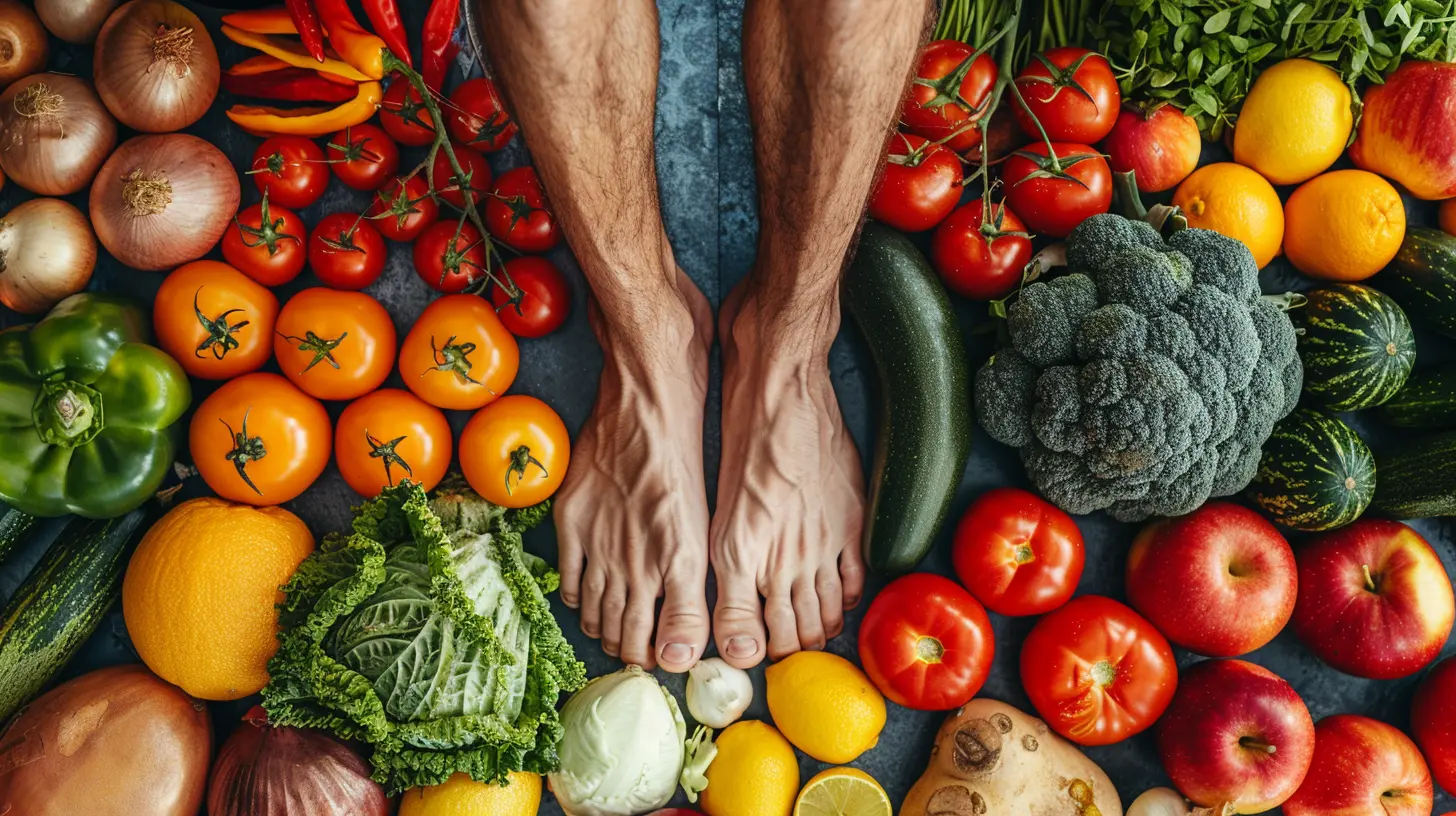
Why a Balanced Diet Matters for Men
You wouldn't put low-quality fuel in a high-performance sports car, right? The same logic applies to your body. A well-balanced diet ensures that you have the energy, endurance, and strength to tackle your day—whether that’s at work, in the gym, or just keeping up with life’s demands.Here’s how proper nutrition benefits men’s health:
- Supports Muscle Growth & Strength – Protein and key nutrients help build and repair muscle tissue.
- Boosts Energy Levels – A good mix of carbohydrates, proteins, and fats keeps you from feeling sluggish.
- Improves Heart Health – Nutrient-rich foods help lower blood pressure and reduce the risk of heart disease.
- Enhances Mental Clarity & Mood – Certain foods support brain health and may reduce stress and anxiety.
- Helps Maintain a Healthy Weight – A well-balanced diet prevents unwanted weight gain and promotes fat loss.
Now that we understand why diet is crucial, let’s dive into what a balanced diet actually looks like. 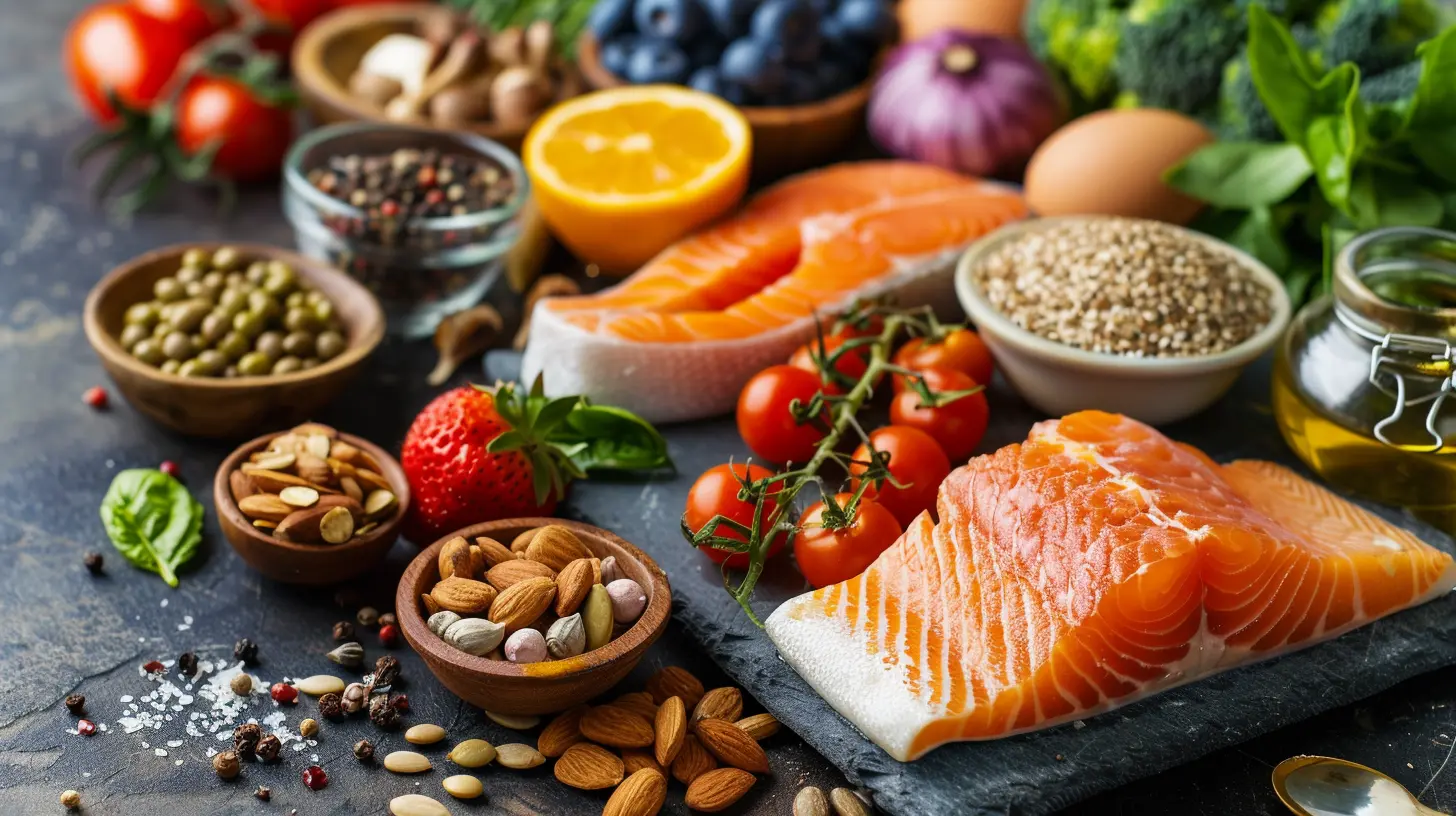
The Essential Nutrients Every Man Needs
Not all foods are created equal. To achieve optimal health, you need a mix of macronutrients (carbs, protein, and fat) and micronutrients (vitamins and minerals). Let’s break it down:1. High-Quality Proteins: The Building Blocks of Strength
Protein is essential for muscle repair, hormone production, and overall body function. But not all proteins are equal. Go for high-quality sources like:- Lean meats (chicken, turkey, lean beef)
- Fish and seafood (salmon, tuna, shrimp)
- Eggs (a powerhouse of nutrients)
- Dairy (Greek yogurt, cottage cheese)
- Plant-based options (beans, lentils, tofu, quinoa)
How much do you need?
The general rule is about 0.8 to 1.2 grams of protein per pound of body weight, depending on activity level.
2. Healthy Fats: Not All Fats Are Bad
Fats often get a bad reputation, but the right kinds are essential for hormone production, brain function, and heart health.Good sources of healthy fats include:
- Avocados
- Nuts and seeds (almonds, walnuts, flaxseeds, chia seeds)
- Olive oil and coconut oil
- Fatty fish (salmon, sardines, mackerel)
Avoid unhealthy trans fats – found in fried foods, processed snacks, and margarine.
3. Carbohydrates: Fuel for Energy
Carbs provide the energy your body and brain need to function at their best. Instead of cutting them out, focus on choosing whole, unprocessed carbs.Best sources:
- Whole grains (oats, brown rice, quinoa, whole wheat bread)
- Fiber-rich vegetables (broccoli, spinach, carrots)
- Fruits (bananas, berries, apples)
- Legumes (black beans, chickpeas, lentils)
Avoid refined carbs, like white bread, sugary snacks, and sodas, which can lead to energy crashes.
4. Vitamins & Minerals: The Helpers of the Body
Your body needs a variety of vitamins and minerals for essential functions like immunity, bone health, and metabolism. Some key ones for men include:- Vitamin D – Supports testosterone production and bone strength (found in fatty fish, fortified dairy, and sun exposure).
- Magnesium – Helps with muscle recovery and relaxation (found in nuts, seeds, and leafy greens).
- Zinc – Essential for immune function and testosterone levels (found in meat, shellfish, and legumes).
- B Vitamins – Important for energy metabolism (found in lean meats, eggs, and whole grains). 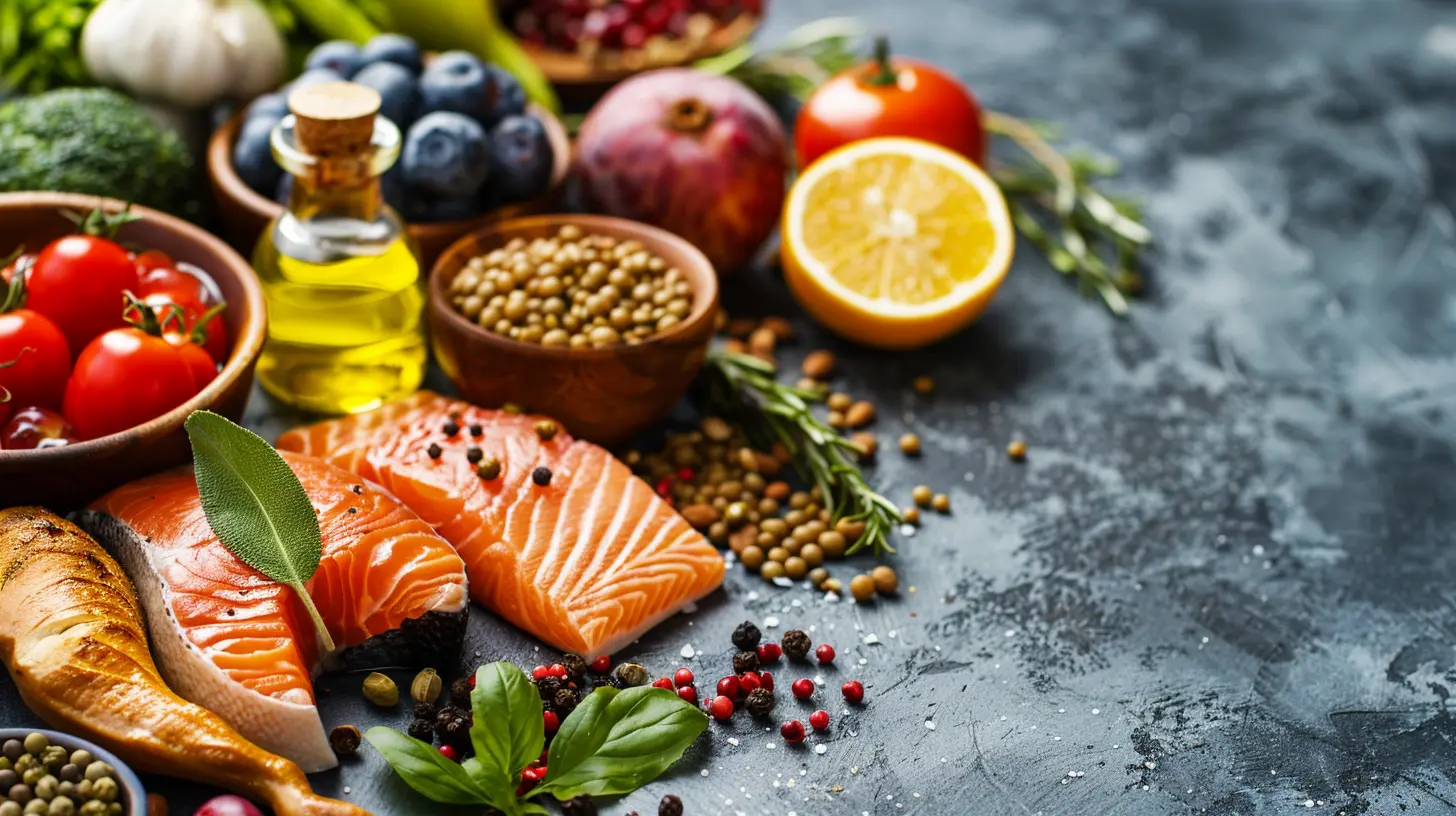
Building a Healthy Eating Routine
Now that you know what nutrients are essential, how do you actually put this into practice daily?1. Prioritize Whole, Unprocessed Foods
The simplest rule? Eat real food. The less processed, the better. Instead of pre-packaged meals or fast food, aim for whole foods that nourish your body.2. Control Portion Sizes
Even healthy foods can lead to weight gain if eaten in excess. Use the hand method:- Protein – A portion the size of your palm.
- Carbs – A fist-sized portion.
- Fats – A thumb-sized portion.
- Veggies – Two cupped handfuls.
3. Stay Hydrated
Water is often overlooked, but it's crucial for digestion, muscle function, and energy levels. Aim for at least 8 glasses (2 liters) per day, more if you're active.4. Plan Your Meals Ahead
Meal prepping helps you avoid unhealthy choices when you're hungry and rushed. Prepare nutrient-dense meals on weekends to save time during your busy week.5. Don’t Skip Breakfast
A protein-rich breakfast sets the tone for the rest of the day. Try:- Scrambled eggs with whole-grain toast and avocado
- Greek yogurt with nuts and berries
- Oatmeal with flaxseeds and banana
6. Smart Snacking
Instead of chips or candy, opt for:- A handful of almonds or walnuts
- Sliced veggies with hummus
- A protein smoothie
Common Diet Pitfalls to Avoid
Even with good intentions, many men fall into some dietary traps. Watch out for these:1. Overloading on Protein
Yes, protein is essential, but too much can strain your kidneys and lead to excess calorie consumption. Balance is key.2. Eating Too Many Processed Foods
Convenience foods (like frozen meals and fast food) are often loaded with unhealthy fats, sugar, and sodium. Stick to natural, whole foods as much as possible.3. Ignoring Fiber
Most men don’t get enough fiber, which is essential for digestion and heart health. Make sure to include plenty of fruits, vegetables, and whole grains.4. Drinking Too Many Sugary Beverages
Sodas, juices, and sugary coffee drinks add empty calories and spike blood sugar. Stick to water, herbal tea, or black coffee.Final Thoughts
Achieving a balanced diet for better men’s health isn’t about following extreme diets or cutting out entire food groups. It’s about making smart, sustainable choices that support your energy, strength, and longevity.By focusing on whole, nutrient-dense foods, staying hydrated, and practicing portion control, you’ll not only feel better but also reduce the risk of chronic diseases and boost overall well-being.
Remember, food is fuel—so treat your body like the high-performance machine that it is!
all images in this post were generated using AI tools
Category:
Mens HealthAuthor:

Eileen Wood
Discussion
rate this article
1 comments
Zinna Chapman
This article effectively highlights the crucial link between a balanced diet and improved health outcomes for men. It emphasizes nutrient diversity, the importance of whole foods, and practical tips for meal planning. Addressing common dietary pitfalls, it offers valuable insights for enhancing overall well-being and preventing chronic diseases in men.
August 29, 2026 at 4:10 AM
Eileen Wood
Thank you for your feedback! I'm glad the article resonated with you and highlighted the key points of a balanced diet for men's health. Your insights are appreciated!